Thanks to the contribution of patients and researchers at The Royal Marsden NHS Foundation Trust, patients in the UK with Grade 2 glioma, a slow-growing but progressive brain tumour, could benefit from a newly approved targeted therapy.
The drug received approval from the National Institute for Health and Care Excellence (NICE) on March 31 and is now available to patients on the NHS in England.
The once daily oral treatment, vorasidenib, is the first targeted therapy approved in the UK for people aged 12 and older with IDH-mutant Grade 2 glioma, who have undergone surgery but do not yet need chemotherapy or radiotherapy.
This marks the first major treatment advance in over two decades for this group of patients.
Grade 2 gliomas most commonly affect younger adults, typically aged between 20 and 40 and can cause neurological symptoms such as seizures. These tumours are not curable and, if left untreated, usually continue to grow over time.
Standard care has typically involved surgical removal of the tumour followed by active monitoring, with chemotherapy or radiotherapy introduced only when the disease progresses. Vorasidenib offers a non-invasive, targeted option that could delay or even reduce the need for traditional treatments.
The NICE approval is based on the international INDIGO study, a Phase 3 randomised clinical trial that assessed vorasidenib in patients with IDH-mutant Grade 2 gliomas who had been treated with surgery alone.
The results showed that vorasidenib more than doubled the time to tumour progression, extending the median period without disease worsening from 11.1 months to 27.7 months compared with a placebo.
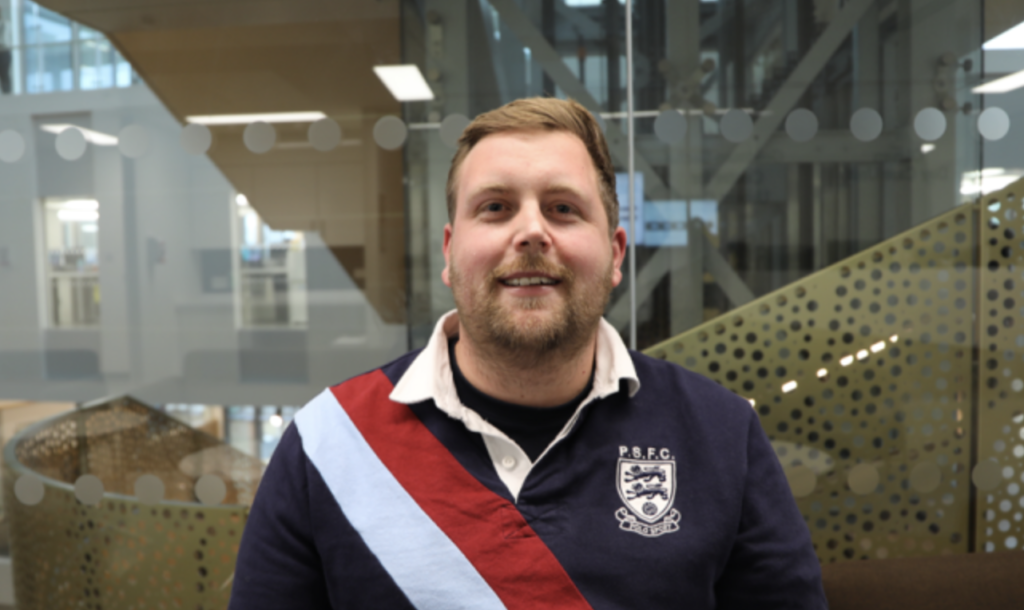
Declan (pictured), 28, a glioma patient at The Royal Marsden, started taking vorasidenib last year and his tumour has remained stable since being on the treatment.
He said: “Last year, while on holiday in Kenya with my girlfriend, I suddenly had a seizure. It was a huge shock as until that moment, I’d felt completely fine. Back in the UK, I had surgery, but they discovered my tumour had likely been there for a number of years. Because of this, my brain had adapted around it and removing more than five per cent of the tumour would affect my ability to speak. The surgery was done while I was awake and I struggled to speak for three or four months afterwards, needing intensive speech therapy.
“Following the surgery, I started taking vorasidenib and my tumour has remained stable since being on the treatment. I try to stay positive. The care I’ve received at The Royal Marsden has been exceptional.”
Dr Liam Welsh, Consultant Clinical Oncologist, who led the INDIGO trial at The Royal Marsden, said: “Patients diagnosed with Grade 2 IDH-mutant gliomas, many of whom are young and otherwise healthy, have had only limited treatment options after surgery such as radiotherapy and chemotherapy.
“I am delighted to have vorasidenib as a new option to offer to suitable patients. This is a breakthrough in treatment for patients with Grade 2 IDH-mutant gliomas.”
A step towards more personalised treatment
With an estimated 400 people diagnosed with Grade 2 gliomas each year in the UK, the approval represents an important step towards more personalised and less invasive treatment strategies for patients.