Researchers are studying the role of copper in the spread of triple negative breast cancer, and whether reducing copper levels in the body could help prevent this, thanks to new funding from Breast Cancer Now.
Copper is an essential mineral that the body needs in small amounts to stay healthy, also known as a metal micronutrient. However, recent research has shown it can help triple negative breast cancer cells grow and spread.
Around 15 per cent of breast cancers are classified as triple negative. These cancers can be more aggressive and harder to treat than other types of breast cancer – they are more likely to return or spread within the first few years after treatment. While metastatic breast cancer can be treated, it can’t currently be cured.
Most targeted breast cancer treatments can’t be used against triple negative disease, because it doesn’t have the usual targets that these treatments attack. This means that most people diagnosed rely on surgery and chemotherapy, which can be effective, but often come with difficult side effects.
Dr Cinzia Imberti at King’s College London has been awarded £169,966 by Breast Cancer Now to investigate how copper behaves in triple negative breast cancer cells, and whether an existing anti-copper drug can improve future treatment options.
This drug, which reduces copper levels, is called tetrathiomolybdate (TTM). It works by attaching to copper in the body and helping to remove it. TTM is already used to treat rare conditions caused by too much copper, and a recent clinical study suggests it also has potential to treat triple negative breast cancer. However, scientists don’t fully understand how it interferes with cancer’s ability to grow and spread.
Dr Imberti and her team will use advanced medical imaging to study how TTM changes the way copper is distributed in triple negative breast cancer cells. They will also study the disease in mice to see how TTM affects copper throughout the body and which cancer-related processes it disrupts.
They are looking for signs that TTM is working against triple negative breast cancer and seeing if this could be tracked using scans. In the future, this could help doctors see whether the treatment works for patients.
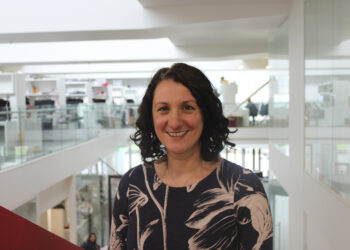
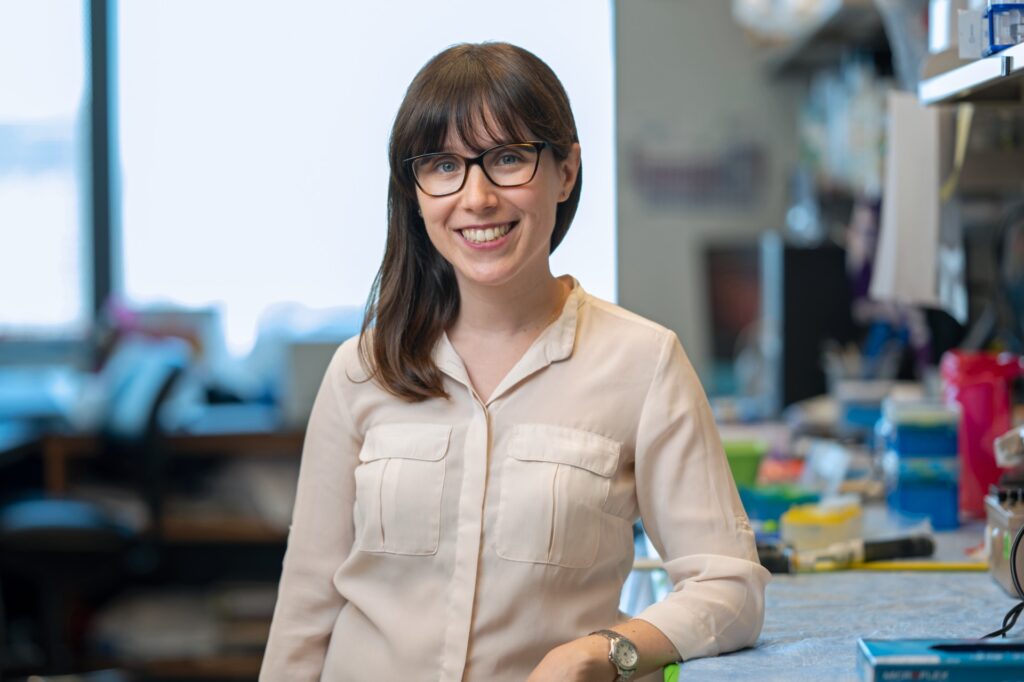
Dr Cinzia Imberti (pictured) said: “We need new treatments for triple negative breast cancer. From what we know already, focusing our attention on copper and how triple negative breast cancer cells use it is a promising avenue to explore.
“We hope that this research will get us one step closer to preventing this type of breast cancer from spreading.”
Dr Simon Vincent, chief scientific officer at Breast Cancer Now, said: “Each year around 8,000 UK women are diagnosed with triple negative breast cancer, which can be harder to treat and is more likely to return or spread soon after treatment.
“That’s why Breast Cancer Now is funding this research, which could lead to new ways to treat the disease and open the door to more personalised treatments, by giving us the tools to assess how well the treatment is working.
“Research like this brings us closer to a future where people diagnosed with triple negative breast cancer have more treatment options and better chances of living well, without the fear of their disease coming back.”
Sarah Hutchinson, 29, from Sunderland, was diagnosed with triple negative breast cancer in 2024.
Sarah said: “I was diagnosed with breast cancer in April 2024, aged 27, just as my twins were turning two.
“I had no idea there were so many different types of breast cancer or so many different treatment options, and I hadn’t heard of triple negative breast cancer before my diagnosis. I went on to have chemotherapy, immunotherapy and a double mastectomy with immediate implant reconstruction. In six months, I had 16 rounds of chemotherapy. It was so intense, especially whilst trying to care for my young toddlers.
“I found the mastectomy really hard too. I was very keen to have the surgery, but when it came to it, I found the recovery much more difficult than I’d expected. I think I underestimated just how hard it would be.”
Sarah is lending her support to this new research, that aims to bring fresh hope to people with triple negative breast cancer.
Sarah said: “When I was diagnosed, the treatment options were very limited. Chemotherapy felt like my only option, and I experienced really challenging side effects, which took a huge toll on me.
“It’s really encouraging to know so much research is happening, and I hope it leads to more treatment options for people with triple negative breast cancer in the near future.
“Having treatments that could improve quality of life during treatment would mean so much to those affected and their families.”
Breast Cancer Now is the research and support charity here for anyone affected by breast cancer. Call their free, confidential helpline on 0808 800 6000 to speak to their expert nurses or find out more and donate at breastcancernow.org