• Up to one in five people with cancer die from the consequences of malnutrition rather than the disease itself, yet more than half receive no dietary advice after diagnosis.
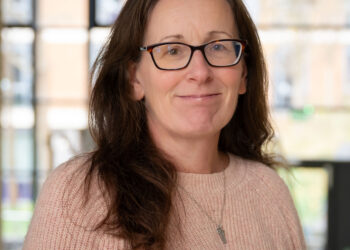
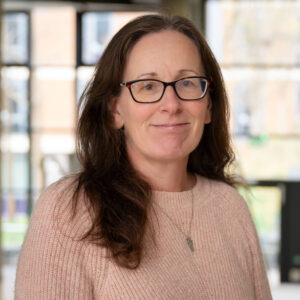
• Saira Chowdhury, Principal Oncology Dietitian at Guy’s Hospital and inspiration behind World Cancer Research Fund’s Cancer and Nutrition Helpline, warns that patients that do not access a dietitian at the right time are turning to Google, artificial intelligence and social media – where misinformation can harm their recovery and overall health.
• As Christmas approaches, Saira wants to tell patients, families and carers about the service she helped to create, so no-one struggles with food alone.
• The Helpline is free and staffed by HCPC-registered specialist oncology dietitians. It works alongside existing care, and no referral is needed.
With conflicting advice about cancer and nutrition just one click away, knowing what to eat can feel overwhelming for people living with or beyond cancer. This festive season, World Cancer Research Fund is helping cancer patients find answers they can trust to put enjoyment back on the menu.
Saira Chowdhury has spent more than twenty years in cancer care and has seen patient habits change first-hand. They once relied on print information provided by their care teams for advice and support. But now, thanks to social media, they have a world of information at their fingertips.
“When someone receives a cancer diagnosis, they often look for ways to take back control,” explains Saira. “Diet is one area that people naturally focus on.”
But more information doesn’t necessarily mean more answers. From ‘miracle foods’ to conflicting claims about what to eat during treatment, people affected by cancer can struggle to separate fact from fiction in their most vulnerable moments.
“What may start as a straightforward question such as, ‘What should I eat?’ can quickly become a source of real worry,” Saira said. “People often wonder whether certain foods can help their cancer, whether something in their diet might make it worse, or if what they’re eating could affect their treatment.”
The stakes are high – malnutrition is common in people with cancer and is linked to poorer quality of life and worse survival rates. Yet a World Cancer Research Fund surveyin 2022 of more than 1,100 people affected by cancer found that more than half (55%) received no dietary advice at all after their diagnosis.
“Sometimes it can be weeks before a patient is able to speak with an oncology dietitian, while some may have no access to one at all. These people are left navigating concerns by themselves, which often means resorting to Google, artificial intelligence and social media,” Saira said. “By that point, dietary choices fuelled by misinformation may already be having a negative impact on their treatment and overall health.”
This gap inspired Saira to work with World Cancer Research Fund to create the Cancer and Nutrition Helpline, which connects people affected by cancer with specialist oncology dietitians. Now, through its Whatever’s on Your Plate campaign, Saira is reminding people that no question is too big or too small.
But Christmas can bring particular challenges, says the charity.
“People are worried about joining in with family traditions, eating with loved ones, or feeling different because of the impact that cancer has had on their appetite or taste. It isn’t just about missing Christmas dinner, it’s about not feeling part of the celebrations,” Saira said.
Her advice? Take the pressure off. “Focus on what you can eat rather than what you think you should eat.”
That may mean smaller portions, eating more often, or choosing something completely different from the traditional turkey dinner.
“When you’re dealing with cancer, Christmas isn’t about dietary perfection. It’s about eating as well as you can, finding enjoyment in food where possible, and spending time with loved ones,” Saira added
As Christmas approaches, World Cancer Research Fund is raising vital awareness of the Cancer and Nutrition Helpline. The service can support with nutrition-related questions, no matter how big or small, and provides initial advice and guidance – including while people are waiting for a review with their local care team.
From managing treatment side effects to understanding how to give their body the nutrients it needs or checking something they’ve read online, the Helpline gives people affected by cancer answers they can trust. It’s also there for family members and carers who want to know how to support someone they love.
“If cancer and nutrition is on your mind this festive season, then it’s worth getting in touch,” Saira said. For dietitians like Saira, the most valuable thing the service offers isn’t a change to someone’s diet. It’s a change to how they feel.
“If we can help take one thing off someone’s plate and replace that worry with confidence and reassurance, then that’s a gift in itself.”
World Cancer Research Fund’s UK Director, Steven Greenberg, said: “Healthcare professionals know better than anyone how much pressure cancer services are under, and how hard it can be for patients to get the nutrition support they need. At Christmas, when so much of life is shared around food, that gap can feel wider than ever. We’re incredibly proud of our free Cancer and Nutrition Helpline, where specialist oncology dietitians offer expert support with no referral needed. This Christmas, please tell everyone you know about it. It could be the most valuable thing you pass on this year.”
World Cancer Research Fund is urging people affected by cancer and struggling with food to contact its Cancer and Nutrition Helpline by visiting wcrf.org/helpline.
You can contact the Helpline directly, with no referral needed, on 0300 102 2523 (Tuesday 12-2pm, Wednesday 6-8pm and Thursday 6-8pm) or by emailing helpline@wcrf.org.