Survival rates are higher for patients who take part in cancer prehabilitation than for those who do not, a new independent evaluation report has shown.
As well as improved patient outcomes, the report for Prehab4Cancer (P4C), the first large-scale regional cancer prehabilitation programme in the UK, also shows reduced hospital stays and a strong return on investment of approximately £2.30 for every £1 invested, with savings largely driven by reduced hospital bed days.
The evaluation found that patients who participated in P4C achieved higher one- and five-year survival rates, particularly among those with bowel cancer.
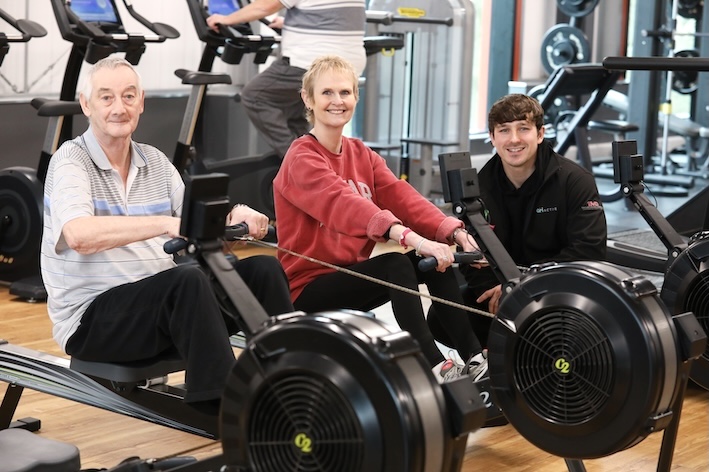
Launched in 2019, P4C enables participation in exercise, nutrition, and wellbeing advice and support before, during and after treatment for patients diagnosed with lung, colorectal (bowel) and oesophageal and gastric cancers, often referred to as upper GI cancers, to give them the best possible chance of recovery.
The comprehensive evaluation by NHS Arden & GEM (AGEM) Commissioning Support Unit as part of a recurring funding process assessed P4C’s implementation, patient engagement, clinical outcomes and economic impact using retrospective data analysis, validated assessment tools and secondary care records.
Its findings show that participants demonstrated significant gains in aerobic fitness and strength before surgery, with many maintaining these improvements during recovery. It also found sustained increases in physical activity and improvements in patient-reported wellbeing over the longer term.
In addition, patients who took part in the programme spent less time in hospital, helping to improve patient recovery and reduce pressure on NHS services.
Jack Murphy, P4C Programme Leader, said: “The seven years we’ve been supporting cancer patients in Greater Manchester have enabled us to now see the emerging trends that prove that with exercise and our support, people can take a proactive role in their own care and have a positive impact on their health outcomes.
“The programme demonstrates the vital role that community-based physical activity services can play alongside clinical care. It’s an excellent example of how collaboration between the health and leisure sectors can transform lives.”
And such is the experience, education and data garnered through the programme in Greater Manchester, P4C has helped to shape national guidelines on cancer care adopted by the NHS and Macmillan Cancer Support.
The findings have been welcomed by GM Active, a collective of 11 public leisure centre operators in the city-region, which supports P4C in collaboration with GM Cancer Alliance.
Since its launch, referral numbers have continued to grow, particularly among people diagnosed with lung cancer, with more than two-thirds of referred patients choosing to take part.
The programme now supports some non-surgical patients and those receiving radiotherapy and the aim is to extend P4C’s reach to include to more tumour groups.
A copy of the evaluation report can be found on the P4C website.
P4C is holding a webinar to review the key findings of the evaluation and discuss the future of P4C, including plans to expand it to additional tumour groups and the digital innovations currently being developed, on Thursday 3 September, 12noon-1pm. To register visit: https://www.gmcanceracademy.org.uk/academy-resources/prehab4cancer-evidence-innovation-and-future-direction/