Scientists have moved closer to predicting which people with cancer are most at risk of developing severe weight loss before it takes hold, according to a new study published in Nature Medicine.
Researchers from team CANCAN, funded by Cancer Grand Challenges – a global research initiative founded by Cancer Research UK and the National Cancer Institute in the US – analysed the health records of nearly 60,000 people with cancer at Memorial Sloan Kettering Cancer Center in the US.
Their analysis revealed that cancer-related weight loss happens in distinct episodes and, for some people, more than once. It is generally more likely to occur when a person’s cancer is getting worse, but many periods of weight loss happened when it was not. This suggests that other factors are also involved.
Cachexia is a severe condition thought to affect around half of people with cancer.* It causes people to lose weight, muscle and strength, and cannot be fully reversed by eating more. This can make everyday activities difficult and leave people less able to tolerate cancer treatment.
The findings could one day help doctors identify people at risk of cachexia earlier, so they can be monitored more closely and offered nutritional support, physiotherapy and tailored exercise before substantial weight and strength have been lost.
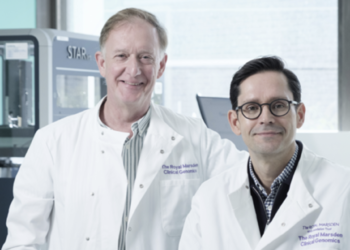
Senior author of the study, member of Cancer Grand Challenges team CANCAN, and Associate Attending Computational Oncologist at Memorial Sloan Kettering Cancer Center, Dr Ed Reznik, said: “People with cancer often ask: ‘What should I eat? Can I exercise? Why am I losing weight?’ Losing weight and strength can make everyday life harder and treatment more difficult to tolerate. Cachexia is closely tied to the daily experience of cancer, even if many people do not know its name.”
“Our study puts data behind patterns that clinicians have seen in their patients. We found that weight loss can develop in distinct episodes, often around times when cancer is progressing, and identified clues that could help predict who is most at risk. The models are still at an early stage, but they could eventually give us a chance to act more proactively.”
To build a more detailed picture of cachexia, the researchers examined more than 2.3 million weight measurements, alongside blood-test results, treatment histories and information about patients’ tumours.
Almost half of the people in the study experienced at least one period in which they lost five per cent or more of their body weight within six months. Weight loss was particularly common among people with pancreatic and stomach cancers, affecting around seven in 10 people with these cancer types.
Across almost every cancer type studied, the onset of cachexia was linked to poorer survival. The study did not show that cachexia was directly responsible, but the finding underlines how closely the condition is connected to declining health.
Blood tests also revealed lower levels of albumin and haemoglobin, alongside signs of inflammation and stress elsewhere in the body during periods of weight loss. This reinforces that cachexia is not simply caused by eating less but involves wider changes throughout the body.
Certain genetic changes in people’s tumours were also linked to their risk of cachexia, suggesting that the biology of a tumour may play a part in how cancer affects the rest of the body. However, the study does not show that these changes directly cause weight loss. Some of these links were still seen when the researchers took into account how advanced a person’s cancer was and their general health. This suggests that the tumour itself may play a part in cachexia, rather than the weight loss simply being a result of the cancer getting worse.
Building on these findings, the researchers developed early-stage models for people with lung adenocarcinoma and colorectal cancer. The models used information available around diagnosis – including cancer stage, patients’ general health, their body mass index and certain tumour mutations – to estimate their risk of developing cachexia within one, two and three years.
The models showed some ability to identify people at higher risk, but they are not yet accurate enough to guide patient care. Researchers now need to test them in other hospitals and more diverse groups of patients. If they prove reliable, the models could help doctors identify people at risk of cachexia earlier and offer support sooner. This work contributes to CANCAN’s wider ambition to find ways to predict, prevent and treat the condition.
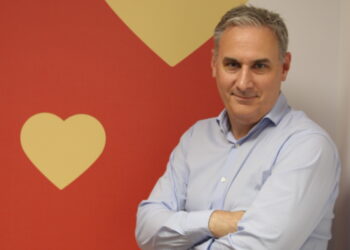
Director of Cancer Grand Challenges, Dr David Scott, said: “Cachexia can rob people of their strength at a time when they need it most, yet we still understand far too little about how to stop it.
“These findings bring us closer to recognising who is at risk—an important step towards finding ways to treat and ultimately prevent cachexia. Our ambition is to help people respond better to cancer treatment, improve their quality of life and live longer. That’s why Cancer Grand Challenges brought the CANCAN team together to tackle this complex, overlooked problem.”
About Team CANCAN
Cancer Grand Challenges made cachexia a research priority because too little is understood about what drives it or how to stop it. Through CANCAN, it brought together researchers and patient advocates across the UK and US, combining expertise in cancer biology, metabolism, nutrition and clinical care to find ways to predict, prevent and treat the condition.