The National Institute for Health and Care Excellence (NICE) has published its first comprehensive clinical guideline on kidney cancer.
This landmark guideline follows years of campaigning, evidence gathering, and expert input from Kidney Cancer UK – whose Accord panel and clinical advisors worked closely with NHS England and NICE to demonstrate the need for clearer diagnostic standards, greater use of biopsy, and more consistent national care pathways.
The guideline introduces major changes to how suspected renal cell carcinoma (RCC) is diagnosed and managed across the NHS, including a significant expansion in the use of renal biopsies to confirm diagnoses earlier, reduce unnecessary surgery, and improve outcomes for people with kidney cancer. Its publication comes as Kidney Cancer UK’s latest annual patient survey highlights the urgent need for earlier detection and improved pathways.
Kidney cancer is now the sixth most common cancer in the UK, with around 13,800 new cases and 4,700 deaths each year. Until now, many patients have had part or all their kidney removed without a biopsy beforehand, meaning the true nature of the lesion is only confirmed after surgery. Kidney removal can have long‑term consequences for health and quality of life. The new guideline aims to ensure that more patients receive an accurate diagnosis before any surgical intervention is considered.
Currently, around 600 people a year with small renal lesions (4cm or smaller) undergo a biopsy. NICE’s new recommendations are expected to increase this to around 1,200 biopsies annually, potentially halving the number of people who undergo surgery for benign lesions. Kidney Cancer UK’s survey shows biopsy remains underused, with fewer than one-third of patients receiving one – a figure that has declined by five per cent compared with the previous year.
Key recommendations in the new guideline include:
- Offer biopsy to people with suspected RCC who have a renal lesion 4cm or smaller, where a tissue sample can be safely obtained.
- Consider biopsy for larger lesions when imaging suggests they may be benign, before non‑surgical treatments such as ablation, or when a patient requests one.
- Ensure all patients have access to a clinical nurse specialist with kidney cancer expertise, providing personalised care plans, follow‑up schedules, and clear points of contact.
- Provide guidance on diagnosing and managing heritable genetic conditions that increase kidney cancer risk, including Von Hippel–Lindau disease (VHL).
- Strengthen patient information and support, ensuring people affected by kidney cancer receive consistent, high‑quality care throughout their treatment pathway.
The publication of this guideline marks a long‑awaited step forward in addressing the systemic issues highlighted by Kidney Cancer UK’s annual patient survey. With late‑stage diagnosis rising, misdiagnosis common, and survival rates lagging behind Europe, the need for a clearer, more effective care pathway has never been greater. The guideline provides the framework needed to improve early detection, reduce unnecessary surgery, and deliver consistent, high‑quality care for everyone affected by kidney cancer.
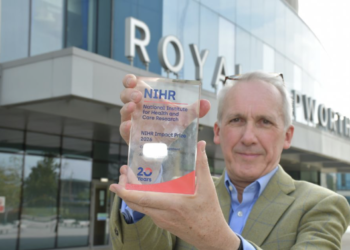
In response to the implementation of the new guidelines, Andrew Greaves (pictured), General Manager at Kidney Cancer UK, said: “The publication of the first NICE guideline for kidney cancer is a landmark moment for patients, families, and clinicians across the UK.
“Our research, patient evidence, and policy advocacy has been instrumental in bringing this guideline to fruition and ensuring it reflects the real‑world challenges faced by those living with this disease. Far too many people are still being diagnosed late, misdiagnosed, or undergoing unnecessary surgery.
“These new recommendations will help transform the diagnostic pathway, reduce avoidable harm, and give patients a clearer, more consistent standard of care. This is a vital step forward, and we are proud to have played a central role in driving this change.”