People with localised, low-to-intermediate-risk prostate cancer could benefit from SBRT, a highly targeted form of radiotherapy, which research suggests may be just as effective as radical prostatectomy (surgical removal of the prostate) at controlling localised prostate cancer over the long term.
These findings from the PACE-A (Prostate Advances in Comparative Evidence) clinical trial, a multi-centre Phase 3 randomised controlled trial led by The Royal Marsden NHS Foundation Trust and The Institute of Cancer Research, London, were presented at the 2026 American Society for Radiation Oncology (ASTRO) Annual Meeting.
Lower incontinence and sexual dysfunction risk associated with SBRT
Treatment decisions about localised prostate cancer are often informed by concerns about the potential long-term impact on the patient’s urinary, bowel, and sexual function. Given that previous PACE-A findings have shown that SBRT was associated with less patient-reported urinary incontinence and sexual dysfunction than prostatectomy, these results may help patients and clinicians make more informed decisions regarding quality of life when choosing treatment.
This trial included patients who were suitable candidates for prostatectomy and randomised them equally between SBRT and prostatectomy. Patients assigned to the SBRT arm received five fractions of radiotherapy over one to two weeks, often delivered via CyberKnife.
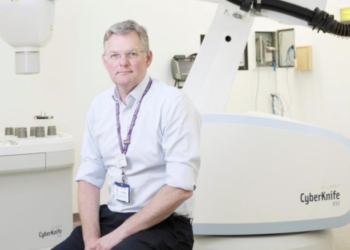
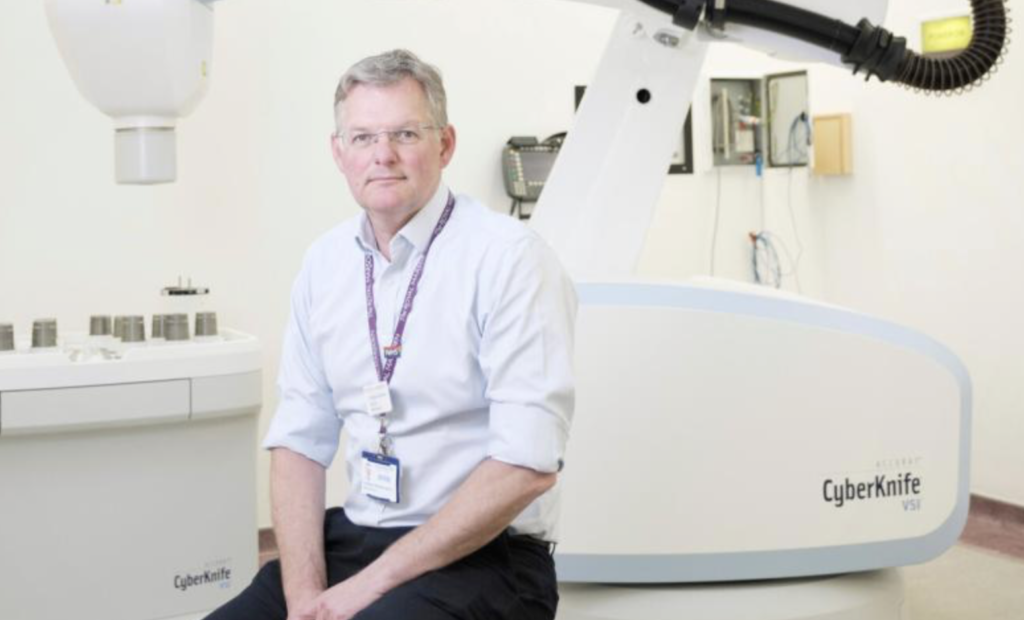
Cyberknife is a pioneering piece of equipment, funded by The Royal Marsden Cancer Charity, that can deliver larger doses of precisely targeted radiotherapy treatment at almost any angle using real-time imaging.
Over 94 per cent of trial participants showed no signs of cancer return or progression after five years
Drawing on data from 123 patients and a median follow-up period of eight years, researchers observed that only 13 patients showed signs that their cancer had returned or progressed, including five in the SBRT group and eight in the prostatectomy group.
Five years after treatment, 94.1 per cent and 94.8 per cent of SBRT and prostatectomy patients remained free from signs that their cancer had returned or progressed. After eight years, the figures were 91.2 per cent and 83.7 per cent, respectively.
Of those patients surveyed after five years, three of 36 treated with SBRT reported using at least one urinary pad per day, compared with 14 out of 29 of those who underwent surgery. While these findings are not conclusive, they underscore the importance of considering longer-term quality-of-life outcomes when weighing different treatment options.
“It is essential that patients with prostate cancer are aware of all the options available to them,” says Professor Nicholas van As, Chief Investigator of the PACE-A trial.
Professor van As (pictured), who is a Consultant Clinical Oncologist at The Royal Marsden NHS Foundation Trust and Professor in Precision Prostate Radiotherapy at The Institute of Cancer Research, London, explains how the PACE-A trial will make a difference for patients.
“Treatment choices are often driven by the desire to preserve long-term urinary and sexual function, but until now we have had limited randomised evidence comparing the long-term cancer outcomes of surgery and SBRT. The PACE-A trial was designed to address this gap.
“Now, these results show that SBRT appears to achieve comparable long-term cancer control to surgery, helping patients make more informed decisions about their care.”
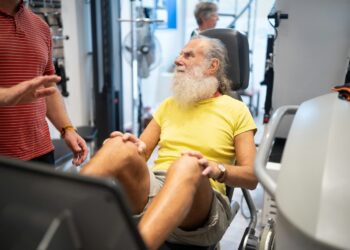
“I hoped to continue being active following prostate cancer treatment”
Ken Morren, a 76-year-old civil engineering technologist from West Sussex, was diagnosed with prostate cancer in 2017. After meeting with a surgeon to discuss the possibility of a prostatectomy, he asked for a referral to seek a second opinion with Professor van As at The Royal Marsden.
“It was naturally a shock to hear the diagnosis,” he says.
“I’ve always lived a very active life, and I hoped to choose a treatment that would allow me to continue that.
“I had heard about SBRT and was very keen to explore it. After speaking with Professor van As, I felt grateful for the opportunity to be considered for the trial, and even more so when I was selected.
“I underwent five sessions of radiotherapy and, before long, my PSA levels began to drop steadily until they were negligible. They have remained that way ever since. Even better, the side effects have been very limited. I highly recommend and uphold the treatment.”