An abstract outlining how photobiomodualition therapy and holistic supportive multi-disciplinary care can reduce the impact of radiotherapy late effects will be presented at PBM2024.
Radiation induced fibrosis (RIF) is a progressive, sclerotic disorder which is an unintended consequence of radiotherapy treatment.
Despite advances in planning and treatment delivery, this debilitating condition leads to a reduced quality of life with poor physical and psychological function.
To support patients, Nottingham University Hospitals NHS Trust set up the award-winning Macmillan Nottingham Late Effects Clinic which offers collaborative multi-disciplinary support throughout the survivorship trajectory to manage this long-term condition using novel treatments such as photobiomodulation therapy (PBM).
The clinic has to date assessed 144 patients and offered them holistic supportive care to manage their RIF along with the use of biweekly PBM therapy for six weeks. Patients were offered further PBM using a combination of protocols depending on need and outcomes.
Their findings will be presented at PBM2024 which is taking place at Park Plaza Westminster Bridge Hotel in London from Friday, August 23, to Sunday, August 25.
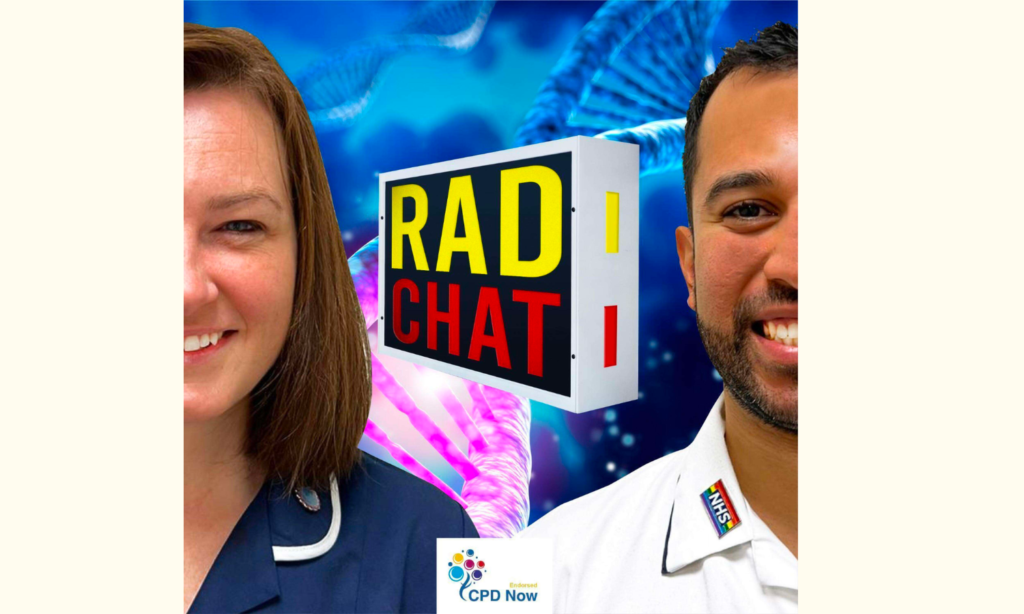
Author Emma Hallam (pictured), who is a Consultant Therapeutic Radiographer at Nottingham University Hospitals NHS Trust, said: “As ever more cancers are being cured, there is an ever-increasing need to provide support for patients living with and beyond their cancer diagnosis.
“This study highlights how PBM is the only therapy that has been shown to have such a positive impact on this cohort of patients and supports the use of PBM as a significant intervention for the effective management of RIF; however further research in assessing the quantifiable reduction is needed.”
Anyone who wants to find out more details about the outcomes observed in the group of 120 patients can register to attend PBM2024, by visiting https://www.pbm2024.com/registration-info.html