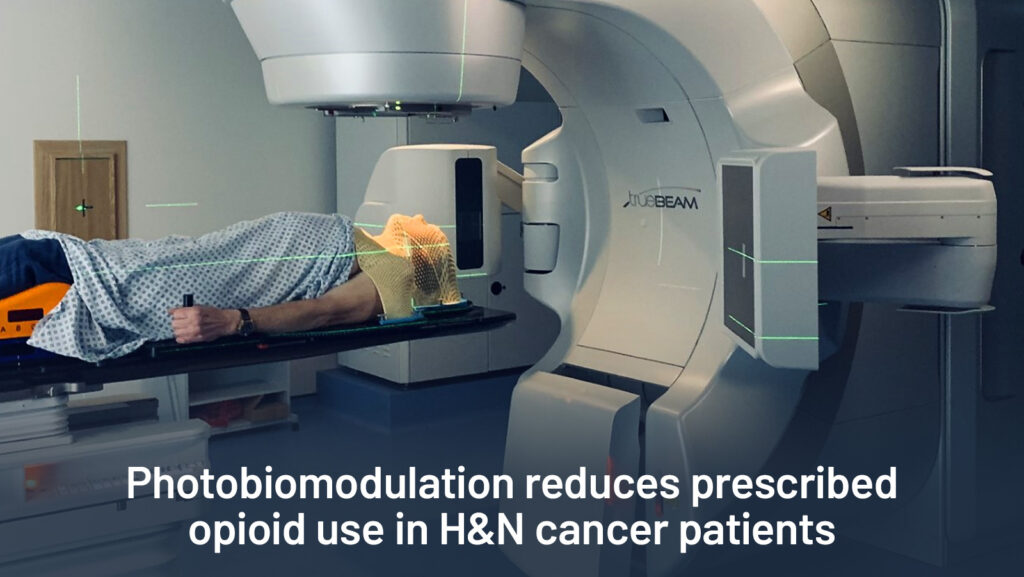
The University Hospitals of Leicester NHS Trust has conducted a study on the use of Photobiomodulation treatments to prevent Oral Mucositis in head and neck patients undergoing radiotherapy.
The study evaluated 82 patients treated with Photobiomodulation (PBM) and compared the requirements for pain medication with 82 pre-PBM patients.
Oral Mucositis is a common side effect of radiotherapy for head and neck patients, causing pain and discomfort in the mouth, making eating, drinking, and swallowing difficult.
The findings from the study, along with potential cost savings, will be presented by Nicola Freeman, Consultant Radiographer (Head & Neck) at the University Hospitals of Leicester NHS Trust, at the PBM2024.com conference in August.
She said: “The use of strong opioids is often necessary to manage the pain, but both patients and doctors prefer to minimise their use if possible.
“The study found the use of Photobiomodulation led to a 48 per cent reduction in the need for strong opioids compared to the control group.”
The PBM2024.com conference will take place in London from Friday, August 23, to Sunday, August 25, and results from other NHS hospitals will also be shared at the event.