A UK-led clinical trial has just opened at The Christie NHS Foundation Trust in Manchester to test a new drug that could make cutting-edge cancer treatments safer and more accessible for thousands of patients with multiple myeloma, a type of blood cancer.
The trial, called TOPICAL, is led by The Christie NHS Foundation Trust and will take place at five other NHS hospitals in the UK.
TOPICAL will study whether an experimental anti-inflammatory treatment, known as POLB 001, can help prevent a common side effect called Cytokine Release Syndrome (CRS), a potentially dangerous immune reaction that can occur following powerful cancer immunotherapy treatments.
New immunotherapy treatments are transforming survival prospects for patients with blood cancers such as multiple myeloma, lymphoma and leukaemia. However, these treatments can trigger CRS, causing severe flu-like symptoms including high fever, dangerously low blood pressure, breathing difficulties and, in some cases, the condition can be life-threatening. Nearly a quarter of patients who develop severe CRS require intensive care.
The research is responding to growing demand for better ways to manage CRS, as more patients are being treated with immunotherapies. Studies show that over 70% of patients receiving some cancer immunotherapies are affected by CRS, highlighting an unmet need for proactive, preventative treatments.
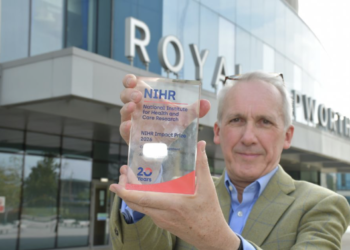
Dr Emma Searle (pictured), consultant haematologist at The Christie, who is the chief investigator on the TOPICAL trial said: “Immunotherapy treatments are transforming survival rates for patients with difficult-to-treat blood cancers, but their use will continue to be restricted until we find a way to deliver them safely outside of specialist hospitals. Because of the risk of Cytokine Release Syndrome (CRS), which is unpleasant and can be dangerous, many patients can’t be treated near to home, which is a real problem. Many patients have to stay in hospital to receive immunotherapy, and some must travel long distances for treatment in specialist centres.
“If this new therapy can safely reduce the risk of CRS, it could help give these treatments near to or in peoples’ homes. Ultimately, our aim is to help more patients benefit from these life-saving therapies while reducing the burden of treatment on patients, families and the NHS.”
Co-chief investigator Dr Rakesh Popat, a consultant haematologist at University College London Hospitals NHS Foundation Trust, said: “This study addresses an important question, whether patients can safely receive bispecific antibodies, particularly when they are dosed outside of hospital.
“While CRS in the most part is manageable, it leads to increased use of hospital resources and a higher burden of treatment on patients by the need for close monitoring and administration of treatment once it occurs. Having an oral preventative treatment can help reduce this and make the treatment easier for patients.”
The TOPICAL trial plans to recruit around 30 patients with relapsed or treatment-resistant multiple myeloma. Participants will receive POLB 001 alongside an approved bispecific antibody therapy. Patients will participate in the research at the National Institute for Health and Care Research (NIHR) Clinical Research Facility (CRF): Manchester at The Christie among other sites.
POLB 001 is being developed by London-headquartered biotechnology company Poolbeg Pharma (London Stock Exchange Listed, Ticker: POLB). The oral treatment works by targeting inflammatory pathways involved in CRS. Researchers will assess whether the treatment can prevent or reduce CRS following teclistamab treatment.
This investigator-led study is sponsored by the DIDACT Foundation, a partner organisation of Accelerating Clinical Trials Ltd (ACT), which is dedicated to improving outcomes for people with blood cancers.
Early results from the study are expected later this year.
The TOPICAL trial is contributing to the RISE programme, an £8m Manchester-led research project funded via the Medical Research Council Prosperity Partnership award, which is one of the biggest studies ever undertaken into the side effects of blood cancers.