Researchers studying combining photodynamic therapy and necroptosis in brain tumour treatment have received an official response from the Scottish Government’s Chief Scientist Office.
The Global Alliance for Neurosurgical & Brain Cancer Research Innovations’ innovative approach holds potential for providing a more targeted, effective means of eradicating glioblastoma cells while preserving surrounding healthy tissue.
The response from the Chief Scientist Office (CSO) acknowledges the global significance of this research – especially in inducing necroptosis to open new cancer treatment pathways.
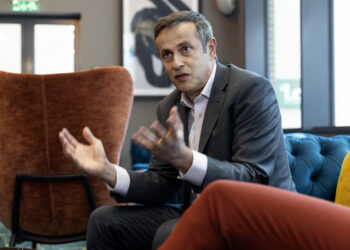
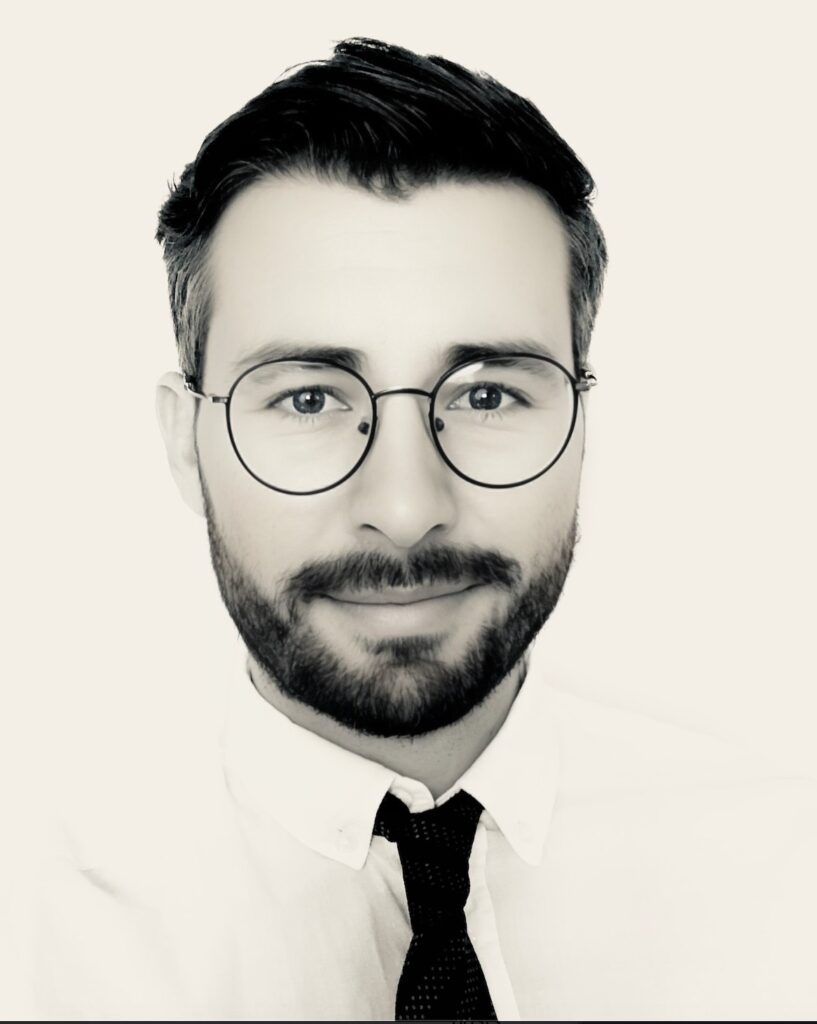
Dr Nazar Vasyliv, a dedicated PhD candidate at the University of Edinburgh and neurosurgeon, is the Scientific CEO of the Global Alliance for Neurosurgical and Brain Cancer Research Innovations and leads the international team of researchers.
He said: “Our research holds the potential to improve survival outcomes and the quality of life for glioblastoma patients across the world.
“We’re delighted that the Scottish Government’s CSO has formally recognised our ground-breaking research, citing its potential global impact on the treatment of brain tumours.
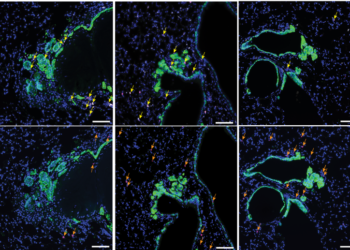
“This endorsement highlights our contributions to the advancement of neuro-oncology, particularly through our work in combining photodynamic therapy with necroptosis to address the critical challenges posed by glioblastoma’s resistance to conventional treatments.”
Dr Vasyliv’s research has received further validation from the Sahlgrenska Academy at the University of Gothenburg in Sweden.
The Academy noted the originality of his approach, particularly his focus on necroptosis in the context of glioblastoma therapy.
Support from Beatson Cancer Charity
Dr Vasyliv’s research is being funded by the Beatson Cancer Charity. It has been instrumental in driving forward his investigations into the molecular mechanisms underpinning glioblastoma’s resistance to treatment.
The support from Beatson Cancer Charity has enabled Dr Vasyliv and his team to conduct cutting-edge research into the application of photodynamic therapy, specifically targeting tumour cells with unprecedented precision.
Collaborative opportunities
As part of its ongoing mission, the Global Alliance for Neurosurgical and Brain Cancer Research Innovations is actively seeking new collaborators.
It welcomes academic researchers, healthcare institutions, and industry partners who share a commitment to advancing the treatment of glioblastoma and other brain cancers.
The Alliance offers a platform for collaborative research and innovation, facilitating the rapid translation of laboratory discoveries into therapeutic interventions that can benefit patients worldwide.
For more information and to get involved, visit neurocancerresearch.com.
To find out more about Dr Vasyliv’s research, click here.