A new project funded by Cancer Research UK will explore why half of patients with a silent blood condition called smouldering myeloma will go on to develop an incurable cancer.
There are around 6,500 new myeloma cases in the UK every year, that’s 18 every day, and is almost always preceded by earlier conditions, such as smouldering myeloma (SMM).
Although SMM itself does not generally cause symptoms, around half of patients will develop full myeloma within five years and people of African ancestry have double the risk of developing the disease.
However, doctors cannot yet reliably predict who will develop cancer, meaning some patients may receive unnecessary treatment while others miss the opportunity for early intervention.
The team at University College London will focus on natural killer immune cells in our bodies that usually fight cancer but sometimes stop working when cancer is able to develop.
By focusing on specific inherited genetic differences which affect how the body’s immune system reacts to myeloma, the study hopes to identify those at highest risk and pave the way for earlier, more targeted treatment.
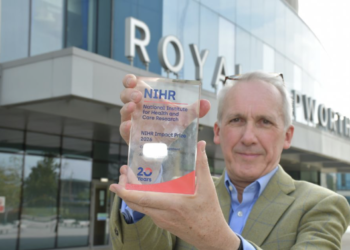
Project lead Dr Elise Rees (pictured), of University College London, said: “This research will help explain how inherited genetic differences can affect the development of cancer and help us understand why disease progression may vary across different ethnic groups.
“In the long term, this knowledge will inform more personalised approaches to monitoring and treating people with precancerous conditions like SMM.
“The ultimate goal is to uncover why the immune system sometimes fails to stop cancer developing and how this knowledge can be used to intervene earlier.”
Using data from the UK-wide COSMOS study into SMM, which includes a diverse group of more than 600 patients, the team will analyse how genetic differences influence immune responses and disease progression.
In particular, the study will investigate variations in genes known as killer immunoglobin-like receptors and human leukocyte antigens, which control how natural killer cells recognise and respond to abnormal cells.
The project, which has received £209,835 from Cancer Research UK, will also use cutting-edge technologies to examine how natural killer cells behave within the bone marrow and how effectively they can attack tumour cells.
Previous work has shown that as SMM progresses towards myeloma, these natural killer cells lose their ability to destroy cancer cells effectively. Researchers now believe that inherited genetic differences may play a key role in this loss of function.
Cancer Research UK director of research, Dr Catherine Elliott, said: “By identifying genetic and immune markers of high risk, the research could lead to more precise prediction tools and personalised approaches to preventing myeloma.
“This work represents an important step towards understanding cancer disparities across populations and ensuring that future treatments and prevention strategies are effective for everyone.”
Genetic patterns differ between individuals and populations and may help explain why people of African ancestry have double the risk of developing myeloma yet remain underrepresented in research.